
Discover
Search, navigation and category structure help shoppers find the right products quickly.
ECOMMERCE WEBSITE DESIGN
DotConnex builds ecommerce websites for Ontario businesses that need clear product discovery, strong mobile usability, dependable checkout paths and a foundation that can grow with SEO.
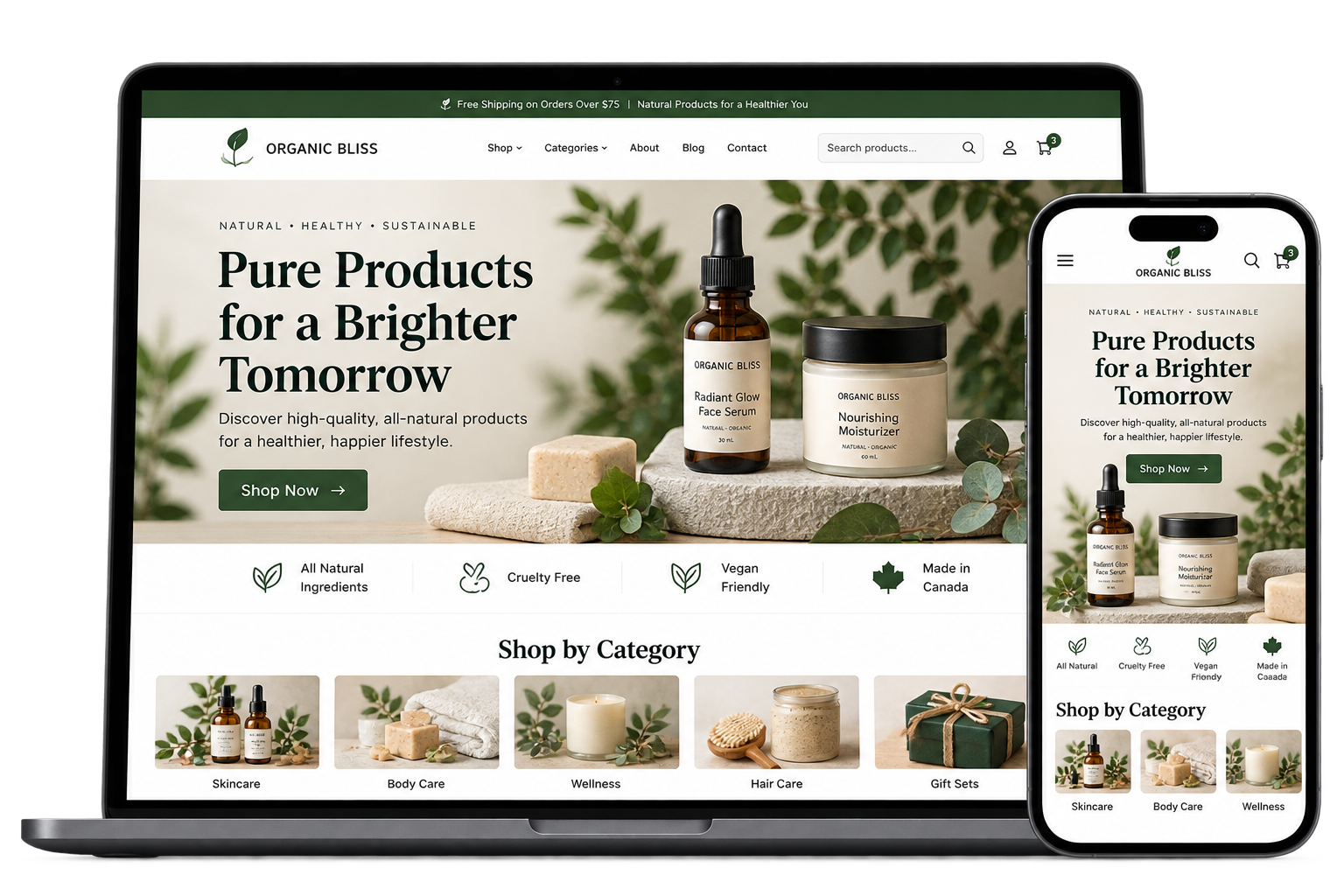
THE BUYING JOURNEY
Good ecommerce design is not one product page. It is the full path from discovery to checkout and what happens after the sale.
Search, navigation and category structure help shoppers find the right products quickly.
Product content, imagery, trust information and options make comparison easier.
Cart and checkout experiences reduce unnecessary friction across devices.
Promotions, content and an expandable catalogue support repeat visits and future growth.
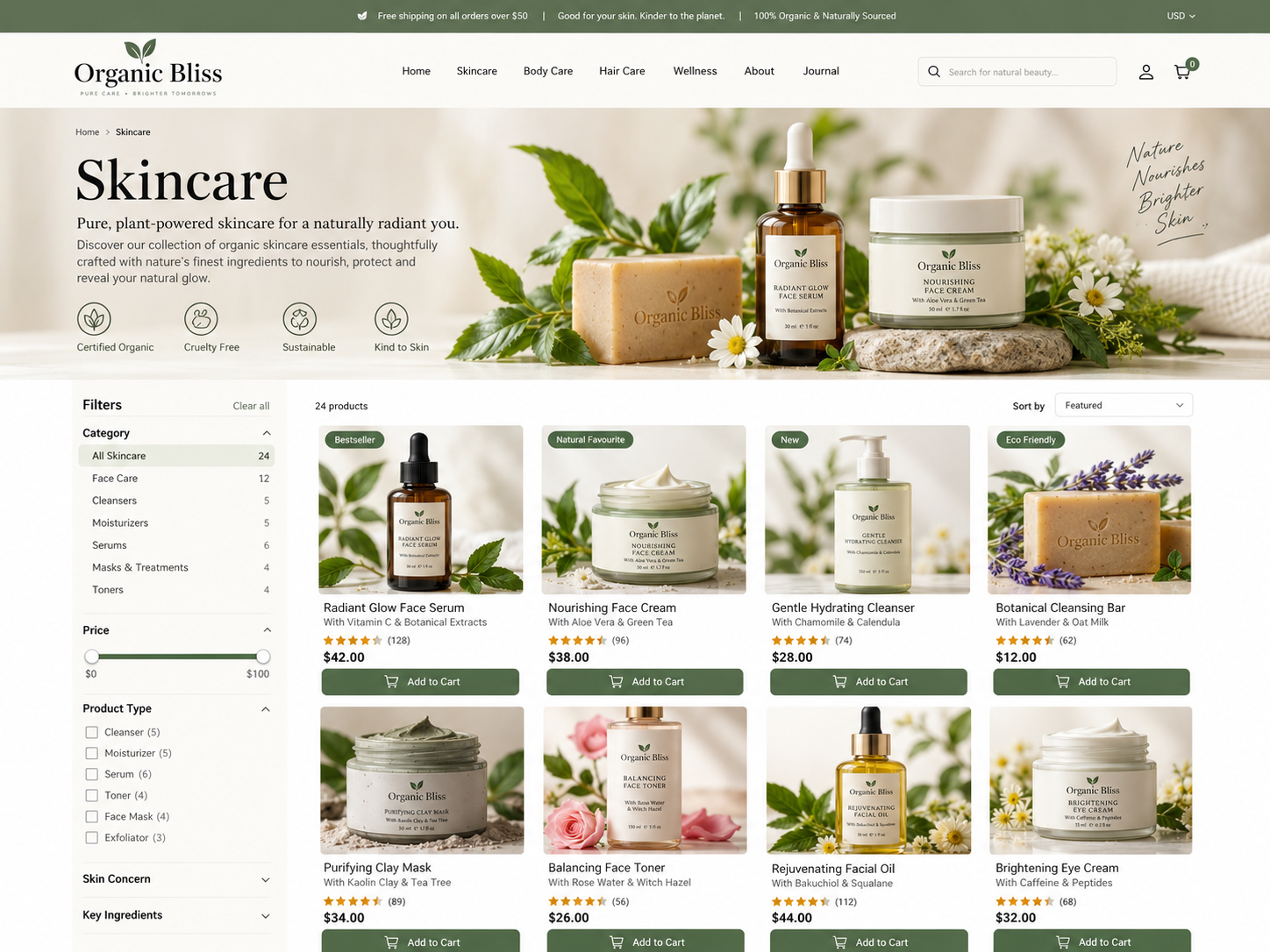
COLLECTION & CATEGORY PAGES
Strong collection pages organize products around the way customers actually shop. Clear filters, categories, sorting and product cards reduce friction and make larger catalogues easier to browse.
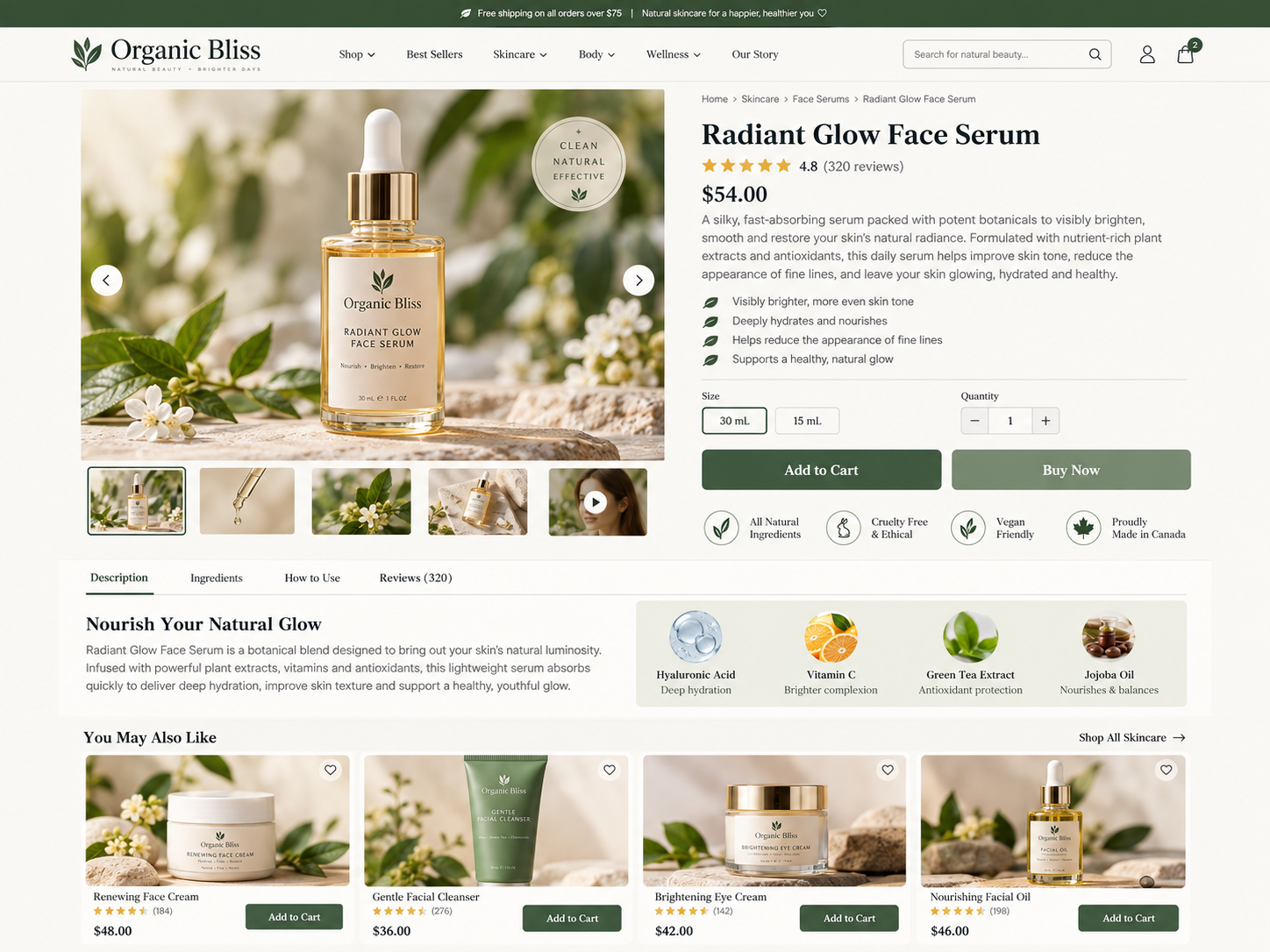
PRODUCT DETAIL PAGES
A product page should answer the questions that stand between interest and purchase. Strong imagery, pricing, options, reviews, benefits and clear calls to action all work together to help customers decide.
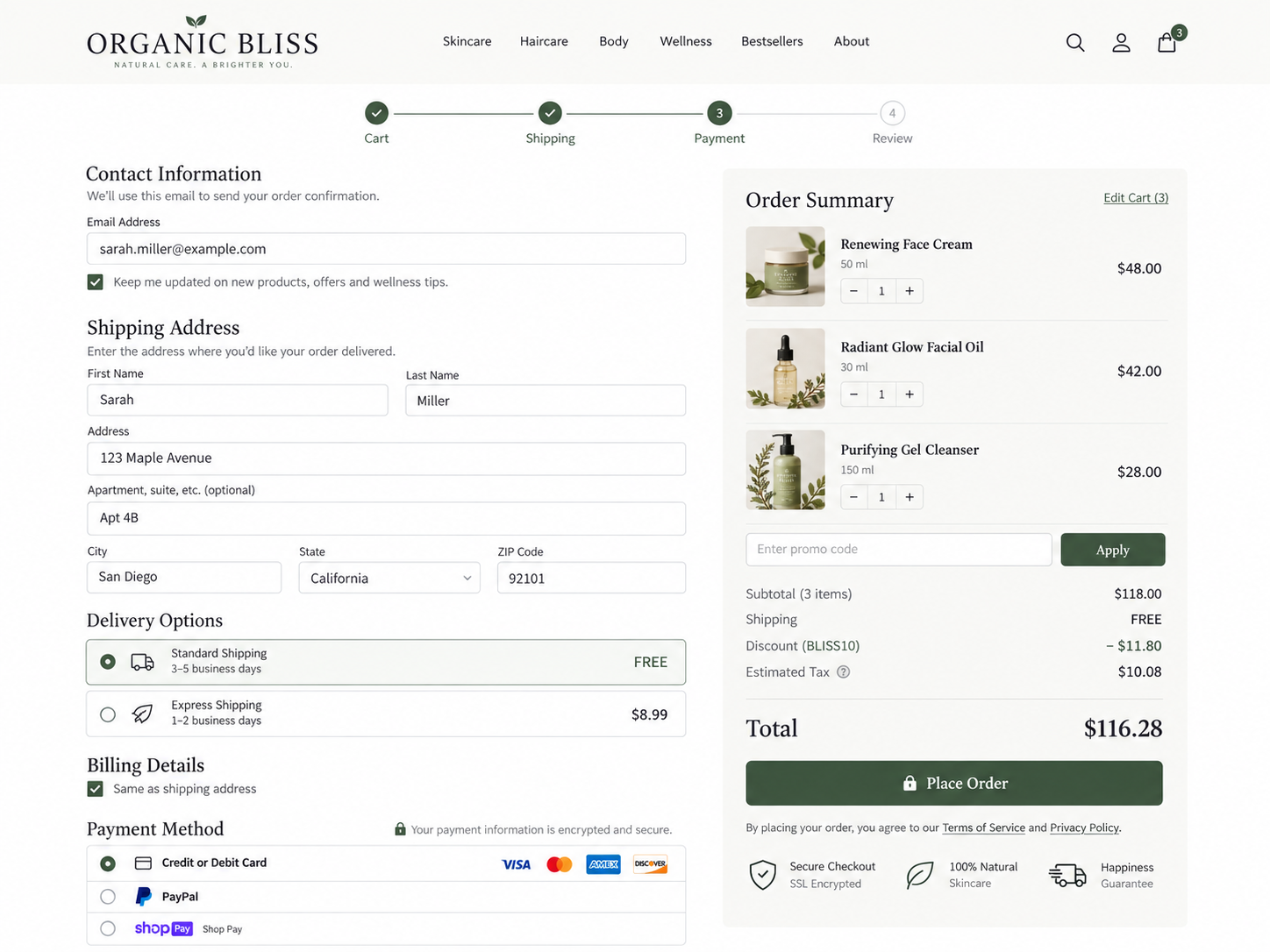
CART & CHECKOUT
The checkout experience should reduce uncertainty, make costs clear and keep the customer focused on completing the order. Shipping, payment, order details and trust information all need to work together.
ECOMMERCE CAPABILITIES
An ecommerce website has to connect what customers see with the practical systems needed to take and manage orders.
Products, collections, categories, filters and navigation structured around how customers shop.
Layouts that make variations, pricing, key information and purchase actions easy to understand.
Payment gateways and checkout flows planned around a reliable, low-friction purchasing experience.
Practical configuration based on where and how your business sells and fulfills orders.
Responsive interfaces built for customers browsing and buying from smaller screens.
Category structure, metadata, internal links and technical foundations that support organic discovery.
PLATFORM FIT
The platform should fit the business rather than forcing the business into the platform. Catalogue size, content needs, integrations, ownership preferences and day-to-day management all matter.
A strong option when ecommerce needs to live inside a broader WordPress website with rich content, SEO and custom functionality.
A strong option for businesses that prefer a hosted ecommerce platform with streamlined store management.
FROM CATALOGUE TO LAUNCH
Products, customers, catalogue structure, fulfillment and integrations.
Categories, navigation, product templates and purchase paths.
Create the storefront and connect required ecommerce functionality.
Review mobile usability, cart, checkout, payments and key customer actions.
Build on the store with SEO, products, content and new market opportunities.
ECOMMERCE FAQ
Practical answers about platforms, migrations, products and ecommerce SEO.
Yes. WooCommerce can be a strong fit when ecommerce needs to integrate closely with a WordPress website, content strategy and broader SEO structure.
Yes. Shopify can be appropriate for businesses that prefer a dedicated hosted ecommerce platform and a streamlined store-management environment.
Potentially. Existing URLs, products, customer requirements, integrations and search visibility should be reviewed before choosing the safest redesign or migration approach.
Yes. Product and category pages can attract organic search traffic when the site architecture, content, metadata, internal linking and technical setup support how customers search.
Yes. The catalogue and navigation should be planned with growth in mind so new products and categories can be added without making the shopping experience harder to use.
READY TO SELL ONLINE?
Tell us what you sell, how your current store works and what needs to improve. We can help determine the right platform and structure.
Start an Ecommerce Project →